

Dive into the psychology behind Piyush Pandey’s most iconic Indian ad campaigns – from Fevicol to Cadbury – and discover what made him India’s greatest storyteller in marketing.
💭 Who Was Piyush Pandey – and Why Are We Still Talking About Him?
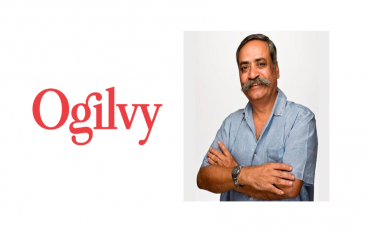
If India’s advertising world were a movie, Piyush Pandey wasn’t just the director – he was the plot twist.
He didn’t sell glue or chocolate. He sold nostalgia, connection, and emotion.
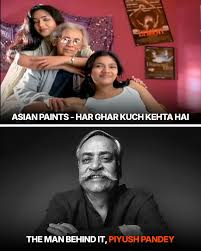
The man behind Fevicol ka jod hai, Kuch Khaas Hai, and Har Ghar Kuch Kehta Hai – Pandey didn’t just market products; he branded India’s soul.
And what’s wild? Everything he did still works today – because it’s backed by timeless marketing psychology.
🧠 Marketing Psychology Lesson 1: Emotion > Information
In marketing, logic convinces – but emotion converts.
Pandey understood that the heart remembers what the brain forgets.
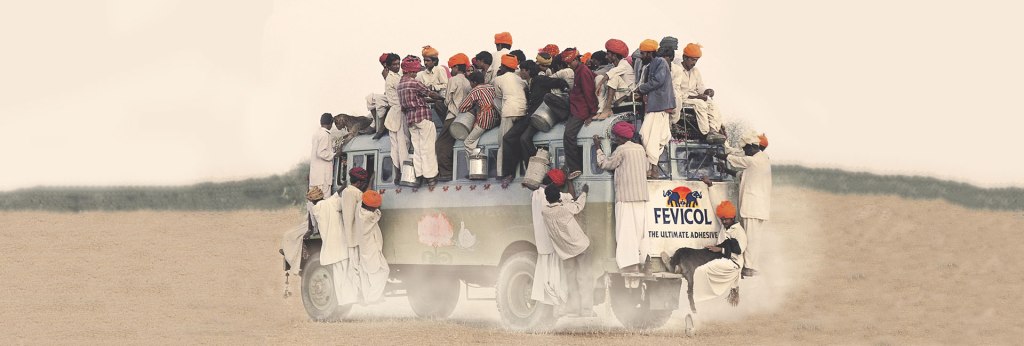
When you think Fevicol, you don’t remember adhesive strength – you remember that funny overcrowded bus ad 😄
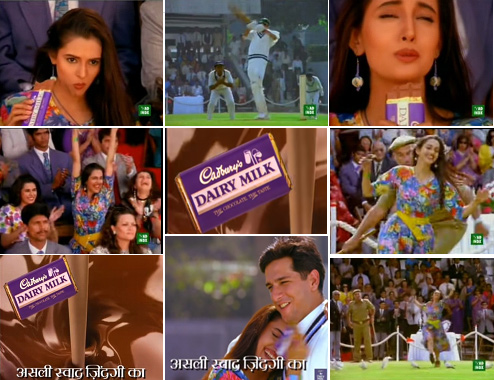
When you think Cadbury, you don’t see chocolate – you feel that warm rush of victory, childhood, and pure joy.
✨ That’s emotional anchoring.
It’s a psychological trigger where brands associate themselves with feelings, not features.
🍫 Cadbury: Turning Chocolate Into a Love Language
“Kuch Khaas Hai Zindagi Mein…” 🎶
Piyush Pandey took a product for kids and made adults crave it too.
He didn’t tell you to buy Dairy Milk. He made you feel that celebrating small wins is incomplete without it.
💡 Marketing takeaway: Make your audience see themselves in your product – not just see the product.
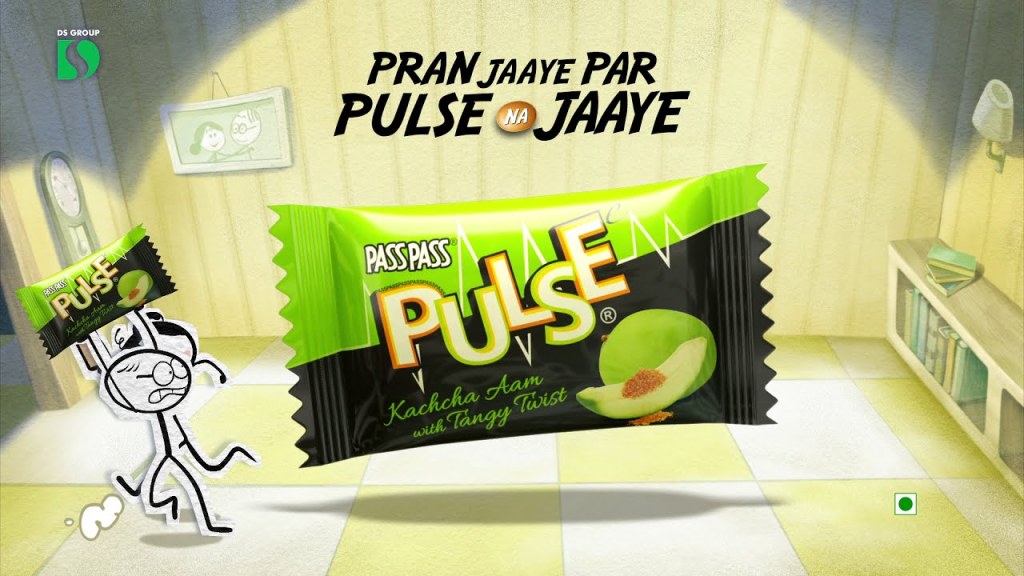
🍬 Pulse Candy: Cracking the Code of Curiosity
“Pran jaaye par Pulse na jaaye!” 😎
When Piyush Pandey helped shape Pulse’s quirky campaign, it wasn’t just about a candy – it was about curiosity.
Pulse’s marketing nailed one of psychology’s strongest triggers – the curiosity gap.
That tangy mystery in every bite mirrored the mystery in its ads – short, punchy, and irresistibly incomplete.
Pandey knew that when people feel they’re missing out on a secret, they can’t look away.
The campaign made Pulse more than a candy – it became a social phenomenon, a dare between friends, a taste you had to experience to understand.
💡 Marketing takeaway:
Make your audience curious enough to start conversations – because every whisper is free advertising.
🚌 Fevicol: The Bond That Became a Metaphor
“Fevicol ka jod hai, tootega nahi!” – even if you’ve never bought glue, you’ve quoted this line.
Pandey turned humor into memory glue (literally 😂).
He made Fevicol stand for trust, durability, and Indian jugaad.
Because humor makes information stick – it releases dopamine, and our brain marks that memory as worth keeping.
💡 Marketing takeaway: Humor + relatability = long-term brand recall.
🏠 Asian Paints: Selling Stories, Not Paint
“Har Ghar Kuch Kehta Hai.” 🏡
Pandey made a wall feel like a diary. He made homes speak.
He tapped into identity marketing – where consumers buy meaning, not material.
You weren’t buying paint. You were buying a feeling of belonging.
💡 Marketing takeaway: In a noisy world, authenticity and emotional storytelling always cut through.
🎵 Mile Sur Mera Tumhara: When Ads Became Culture
Before Cannes Lions and ad awards, there was Mile Sur Mera Tumhara.
A campaign that didn’t sell anything – it united a country.Pandey understood one of marketing’s oldest secrets: When a message becomes a movement, it stops being an ad – it becomes identity.
💡 That’s what every great brand dreams of – to become culture.
💉 Do Boond Zindagi Ki: When Advertising Saved Lives
Long before “purpose-driven marketing” became a buzzword, Piyush Pandey made it real.
The Do Boond Zindagi Ki campaign wasn’t selling a product – it was selling awareness, empathy, and responsibility.He turned a government message into a collective emotion.
By using a simple phrase and repetition, he leveraged social proof psychology – making vaccination feel like something everyone was doing, everyone should do.💡 Marketing takeaway:
When your message aligns with human good, it transcends sales – it becomes a shared mission.🗳️ Abki Baar Modi Sarkar: Simplicity That Stuck
Politics aside – that line is pure marketing gold.
Short, catchy, emotionally charged. Pandey knew that simple messages spread faster than smart ones.
That’s cognitive fluency – our brain’s bias toward things that are easy to remember and repeat.
💡 Marketing takeaway: The simpler the message, the stronger the recall.
🌊 What Piyush Pandey Teaches Every Marketer, Creator & Dreamer
Whether you’re building a brand, writing a blog, or planning your next campaign – remember this:
- You’re not selling a product. You’re selling a story people want to be part of.
- People don’t buy the best brands. They buy the brands that make them feel something.
- Your ad isn’t competing for attention – it’s competing for emotion.
Pandey showed us that the magic of marketing lies in the invisible – emotion, nostalgia, connection.
✨ Final Thought
Piyush Pandey didn’t just create ads – he created anchors in memory.
He taught us that storytelling is the heartbeat of marketing, and that sometimes, selling glue can actually hold a country together.
🪄 Here’s to the man who turned copy into culture, slogans into soul, and emotion into empire.
📩 If You Liked This Deep Dive…
Subscribe to Raw Real Hrit – where marketing meets emotion, psychology meets storytelling, and every week, we decode the secrets behind brands that make you feel.
💬 Have a favorite Piyush Pandey ad? Drop it in the comments – let’s make nostalgia trend again.





 Raw. Real. Hrit.
He was such a crucial part of the advertising industry! Indeed a great person! Loved this babe!
LikeLike
i know right! thank you so much!
LikeLike
he was truly integral to the marketing sector!
LikeLike
indeed he was!
LikeLike
very detailed and impactful insights
LikeLike
thank you so much
LikeLike
very nicely donee , interestingg 🫶🏻 read it all , loved ittt
LikeLike
i am so glad you loved it!
LikeLike
Such an interesting read 💯
LikeLike
thank you soo much
LikeLike